Buy ilqj.com ?
We are moving the project
ilqj.com .
Are you interested in purchasing the domain
ilqj.com ?
domain@kv-gmbh.de · 0541-91531010
Buy ilqj.com ?
What does volatility mean?
Volatility refers to the degree of variation or fluctuation in the price of a financial instrument, such as a stock, bond, or currency, over a specific period of time. High volatility indicates that the price of the asset is experiencing large and rapid changes, while low volatility suggests that the price is relatively stable. Investors often use volatility as a measure of risk, with higher volatility assets generally considered riskier investments. Traders may also use volatility to identify potential trading opportunities based on the expected price movements. **
How do you calculate volatility?
Volatility is typically calculated using standard deviation, which measures the dispersion of returns around the average return of an investment. To calculate volatility, you would first need to gather historical data on the returns of the investment over a specific period of time. Then, you would calculate the average return and the standard deviation of those returns. The standard deviation is a measure of how much the returns deviate from the average return, with higher standard deviation indicating higher volatility. **

Similar search terms for Volatility
Top-Angebote
Products related to Volatility:
-
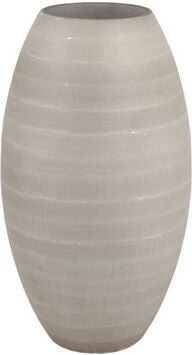
Sagebrook Home Stone Marble Bowl Sleek Sculptural Base and Modern Decorative Design"Bring timeless elegance and sculptural beauty into your home with this marble bowl, set on a bold base with a Natural Stone Finish. At 3"" high, it offers a compact yet impactful size that makes it both functional and decorative."59,19 $*Shipping: 0,00 $Secure redirect to the provider
-
Sagebrook Home "Metal Modern Glam Bowl Sleek Curved Design Stylish Sculptural Form - 20.0"""This modern glam metal bowl brings a sculptural touch to any tabletop decoration, this metal bowl comes in gold, ivory and tan providing thoughtful decorative use making it an effortless accent for a living room, kitchen, or dining room table.119,26 $*Shipping: 0,00 $Secure redirect to the provider



-
What does volatility mean in ETFs?
Volatility in ETFs refers to the degree of fluctuation in the price of the ETF over a certain period of time. High volatility indicates that the price of the ETF is experiencing large and frequent fluctuations, while low volatility suggests that the price is relatively stable. Investors often use volatility as a measure of risk, with higher volatility indicating higher risk. Traders may use volatility to make decisions on when to buy or sell an ETF based on their risk tolerance and investment goals. **
-
What does 30-day volatility mean?
30-day volatility refers to the measure of how much the price of an asset, such as a stock or cryptocurrency, is expected to fluctuate over a 30-day period. It is calculated by analyzing historical price movements and is often used by investors and traders to assess the level of risk associated with an investment. A higher 30-day volatility indicates that the price of the asset is more likely to experience significant fluctuations, while lower volatility suggests more stable price movements. **
-
What is the meaning of volatility in chemistry?
In chemistry, volatility refers to the tendency of a substance to vaporize or evaporate at a given temperature. Substances with high volatility tend to vaporize easily, while those with low volatility do not. Volatility is an important factor in determining the behavior of substances in various chemical processes, such as distillation and evaporation. It is also a key consideration in understanding the environmental impact of certain chemicals, as highly volatile substances can easily become airborne and contribute to air pollution. **
-
What is the significance of molecular bonding for volatility?
Molecular bonding is significant for volatility because it determines how tightly the molecules are held together in a substance. Substances with strong molecular bonding, such as those with covalent or ionic bonds, tend to have lower volatility because the molecules are held tightly and are less likely to escape into the vapor phase. On the other hand, substances with weaker molecular bonding, such as those with van der Waals forces or hydrogen bonding, tend to have higher volatility because the molecules are held less tightly and are more likely to escape into the vapor phase. Understanding the molecular bonding of a substance is crucial for predicting its volatility and behavior under different conditions. **


Why does the volatility increase with increasing chain length in alkanes?
The volatility of alkanes increases with increasing chain length because longer chain alkanes have a higher boiling point and lower vapor pressure. This means that longer chain alkanes require more energy to overcome intermolecular forces and transition from the liquid to the gas phase. As a result, longer chain alkanes are less volatile and evaporate more slowly compared to shorter chain alkanes, leading to an increase in volatility with increasing chain length. **
Was the development of innovative car technology once hindered in East Germany?
Yes, the development of innovative car technology was hindered in East Germany due to the country's centralized and state-controlled economy. The government's focus on producing standardized vehicles for the masses limited the ability of car manufacturers to invest in research and development for innovative technology. Additionally, the lack of competition and access to international markets further restricted the advancement of car technology in East Germany. It was only after the reunification of Germany in 1990 that the automotive industry in the former East Germany began to modernize and catch up with Western standards. **
Top-Angebote
Products related to Volatility:
-
StayWell Innovative Anti Fungal Laser Pen With Cutting Edge Fungal Infections Removal And Safe for Skin Technology Innovative Anti Fungal Laser Pen With Cutting Edge Fungal Infections Removal And Safe for Skin TechnologyDo you avoid going barefoot or wearing sandals because of your unsightly nails If so, our AntiFungal Laser Pen is the solution you've been looking for. Our laser pen combines the power of the infrared pulsed laser and blue light to exterminate...20,97 $*Shipping: 0,00 $Secure redirect to the provider
-
Sagebrook Home Stone Marble Bowl Sleek Sculptural Base and Modern Decorative Design"Bring timeless elegance and sculptural beauty into your home with this marble bowl, set on a bold base with a Natural Stone Finish. At 3"" high, it offers a compact yet impactful size that makes it both functional and decorative."59,19 $*Shipping: 0,00 $Secure redirect to the provider
-
What does volatility mean?
Volatility refers to the degree of variation or fluctuation in the price of a financial instrument, such as a stock, bond, or currency, over a specific period of time. High volatility indicates that the price of the asset is experiencing large and rapid changes, while low volatility suggests that the price is relatively stable. Investors often use volatility as a measure of risk, with higher volatility assets generally considered riskier investments. Traders may also use volatility to identify potential trading opportunities based on the expected price movements. **
-
How do you calculate volatility?
Volatility is typically calculated using standard deviation, which measures the dispersion of returns around the average return of an investment. To calculate volatility, you would first need to gather historical data on the returns of the investment over a specific period of time. Then, you would calculate the average return and the standard deviation of those returns. The standard deviation is a measure of how much the returns deviate from the average return, with higher standard deviation indicating higher volatility. **
-
What does volatility mean in ETFs?
Volatility in ETFs refers to the degree of fluctuation in the price of the ETF over a certain period of time. High volatility indicates that the price of the ETF is experiencing large and frequent fluctuations, while low volatility suggests that the price is relatively stable. Investors often use volatility as a measure of risk, with higher volatility indicating higher risk. Traders may use volatility to make decisions on when to buy or sell an ETF based on their risk tolerance and investment goals. **
-
What does 30-day volatility mean?
30-day volatility refers to the measure of how much the price of an asset, such as a stock or cryptocurrency, is expected to fluctuate over a 30-day period. It is calculated by analyzing historical price movements and is often used by investors and traders to assess the level of risk associated with an investment. A higher 30-day volatility indicates that the price of the asset is more likely to experience significant fluctuations, while lower volatility suggests more stable price movements. **
Similar search terms for Volatility
-
Sagebrook Home "Metal Modern Glam Bowl Sleek Curved Design Stylish Sculptural Form - 20.0"""This modern glam metal bowl brings a sculptural touch to any tabletop decoration, this metal bowl comes in gold, ivory and tan providing thoughtful decorative use making it an effortless accent for a living room, kitchen, or dining room table.119,26 $*Shipping: 0,00 $Secure redirect to the provider
-
GDFStudio - Emma Sleek Modern 4-Drawer Black Dresser with Handle-Free Design for Versatile StorageContemporary Minimalist Style: This 4-drawer dresser features a clean, handle-free design paired with a rich black finish that adds a sophisticated and streamlined look to any room.196,90 $*Shipping: 0,00 $Secure redirect to the provider
-
What is the meaning of volatility in chemistry?
In chemistry, volatility refers to the tendency of a substance to vaporize or evaporate at a given temperature. Substances with high volatility tend to vaporize easily, while those with low volatility do not. Volatility is an important factor in determining the behavior of substances in various chemical processes, such as distillation and evaporation. It is also a key consideration in understanding the environmental impact of certain chemicals, as highly volatile substances can easily become airborne and contribute to air pollution. **
-
What is the significance of molecular bonding for volatility?
Molecular bonding is significant for volatility because it determines how tightly the molecules are held together in a substance. Substances with strong molecular bonding, such as those with covalent or ionic bonds, tend to have lower volatility because the molecules are held tightly and are less likely to escape into the vapor phase. On the other hand, substances with weaker molecular bonding, such as those with van der Waals forces or hydrogen bonding, tend to have higher volatility because the molecules are held less tightly and are more likely to escape into the vapor phase. Understanding the molecular bonding of a substance is crucial for predicting its volatility and behavior under different conditions. **
-
Why does the volatility increase with increasing chain length in alkanes?
The volatility of alkanes increases with increasing chain length because longer chain alkanes have a higher boiling point and lower vapor pressure. This means that longer chain alkanes require more energy to overcome intermolecular forces and transition from the liquid to the gas phase. As a result, longer chain alkanes are less volatile and evaporate more slowly compared to shorter chain alkanes, leading to an increase in volatility with increasing chain length. **
-
Was the development of innovative car technology once hindered in East Germany?
Yes, the development of innovative car technology was hindered in East Germany due to the country's centralized and state-controlled economy. The government's focus on producing standardized vehicles for the masses limited the ability of car manufacturers to invest in research and development for innovative technology. Additionally, the lack of competition and access to international markets further restricted the advancement of car technology in East Germany. It was only after the reunification of Germany in 1990 that the automotive industry in the former East Germany began to modernize and catch up with Western standards. **
* All prices are inclusive of VAT and, if applicable, plus shipping costs. The offer information is based on the details provided by the respective shop and is updated through automated processes. Real-time updates do not occur, so deviations can occur in individual cases. ** Note: Parts of this content were created by AI.