Buy ilqj.com ?
We are moving the project
ilqj.com .
Are you interested in purchasing the domain
ilqj.com ?
domain@kv-gmbh.de · 0541-91531010
Buy ilqj.com ?
How can one repair a herringbone parquet floor?
To repair a herringbone parquet floor, start by assessing the damage to determine the extent of the repairs needed. If there are individual pieces that are loose or damaged, carefully remove them and replace them with new pieces that match the existing pattern. Sanding the floor lightly can help smooth out any uneven areas, followed by refinishing the entire floor to ensure a consistent look. It's important to use the right tools and materials and take your time to ensure a professional-looking repair job. **
How can a herringbone parquet floor be repaired?
To repair a herringbone parquet floor, start by identifying the damaged area and removing the affected pieces of wood. Next, clean the subfloor and ensure it is level before replacing the damaged pieces with new ones that match the existing pattern. Secure the new pieces in place with adhesive or nails, and finish by sanding and refinishing the entire floor to blend the repair seamlessly with the rest of the flooring. **


Similar search terms for Modway-Engage-Herringbone-Fabric
Top-Angebote
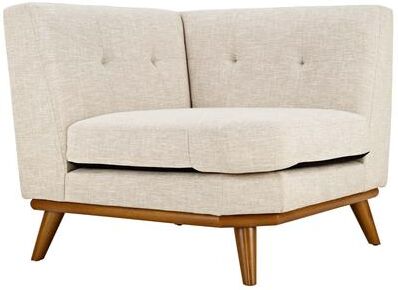
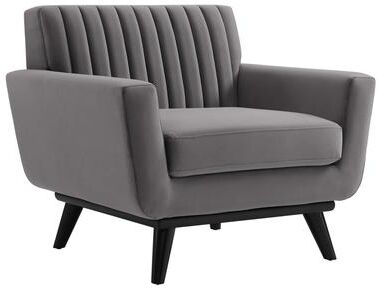
Products related to Modway-Engage-Herringbone-Fabric:


-
Why are some trees notched in a herringbone pattern?
Some trees are notched in a herringbone pattern to indicate that they are designated for logging or removal. This pattern makes it easier for loggers to identify which trees are marked for cutting down. The herringbone notch also helps loggers align their saw cuts properly to ensure the tree falls in the desired direction. Additionally, this method can help minimize damage to surrounding trees and vegetation during the logging process. **
-
How can one design fabric acrobatics for children?
To design fabric acrobatics for children, it is important to consider their age, physical abilities, and safety. Start by choosing a fabric that is strong, yet soft and comfortable for children to use. Then, design simple and age-appropriate movements and poses that children can easily perform, ensuring that they are not too challenging or dangerous. It is also important to provide proper supervision and instruction to ensure that children can safely enjoy fabric acrobatics. Additionally, incorporating colorful and fun designs into the fabric can make the activity more appealing to children. **
-
Why doesn't the fabric glue harden the fabric?
Fabric glue is designed to remain flexible and pliable in order to maintain the natural drape and movement of the fabric. If the glue were to harden, it would make the fabric stiff and uncomfortable to wear. Additionally, the flexibility of the glue allows the fabric to stretch and move without cracking or breaking the bond. This flexibility also makes the fabric glue more durable and resistant to wear and tear. **
-
How can one design the lesson meaningfully and engage the students?
To design a meaningful lesson and engage students, it's important to start by understanding the students' interests, abilities, and learning styles. This can be done through surveys, discussions, or informal assessments. Once you have this information, you can tailor the lesson to incorporate real-world examples, hands-on activities, and opportunities for student collaboration. Additionally, using multimedia, technology, and interactive teaching methods can help to keep students engaged and make the lesson more meaningful. Finally, providing opportunities for students to apply what they've learned in a practical way can help to solidify their understanding and make the lesson more relevant to their lives. **
How much should one pay for good quality fabric material?
The price of good quality fabric material can vary depending on the type of fabric, its source, and its intended use. Generally, one should expect to pay a higher price for natural fibers such as silk, wool, and cotton, as well as for specialty or designer fabrics. It's important to consider the intended use of the fabric and the level of quality needed for the project when determining how much to pay. Ultimately, investing in good quality fabric material can result in a better finished product and longer-lasting wear, making it worth the higher price. **
How can fabric be attached and removed from fabric?
Fabric can be attached to other fabric using various methods such as sewing, gluing, or using fusible interfacing. Sewing involves using a needle and thread to stitch the fabrics together, while gluing involves using fabric glue to bond the fabrics. Fusible interfacing is a type of adhesive material that can be ironed onto fabric to attach them together. To remove fabric from fabric, you can simply cut the stitches or seams holding them together, or use a seam ripper to carefully undo the stitching. **
Top-Angebote
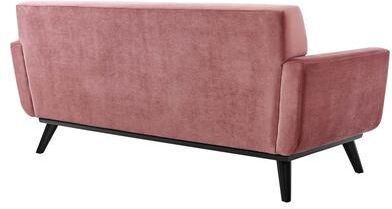
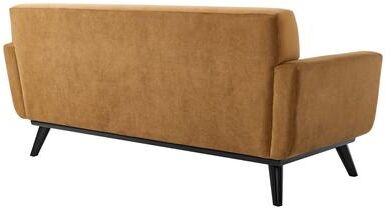
Products related to Modway-Engage-Herringbone-Fabric:
-
How can one repair a herringbone parquet floor?
To repair a herringbone parquet floor, start by assessing the damage to determine the extent of the repairs needed. If there are individual pieces that are loose or damaged, carefully remove them and replace them with new pieces that match the existing pattern. Sanding the floor lightly can help smooth out any uneven areas, followed by refinishing the entire floor to ensure a consistent look. It's important to use the right tools and materials and take your time to ensure a professional-looking repair job. **
-
How can a herringbone parquet floor be repaired?
To repair a herringbone parquet floor, start by identifying the damaged area and removing the affected pieces of wood. Next, clean the subfloor and ensure it is level before replacing the damaged pieces with new ones that match the existing pattern. Secure the new pieces in place with adhesive or nails, and finish by sanding and refinishing the entire floor to blend the repair seamlessly with the rest of the flooring. **
-
Why are some trees notched in a herringbone pattern?
Some trees are notched in a herringbone pattern to indicate that they are designated for logging or removal. This pattern makes it easier for loggers to identify which trees are marked for cutting down. The herringbone notch also helps loggers align their saw cuts properly to ensure the tree falls in the desired direction. Additionally, this method can help minimize damage to surrounding trees and vegetation during the logging process. **
-
How can one design fabric acrobatics for children?
To design fabric acrobatics for children, it is important to consider their age, physical abilities, and safety. Start by choosing a fabric that is strong, yet soft and comfortable for children to use. Then, design simple and age-appropriate movements and poses that children can easily perform, ensuring that they are not too challenging or dangerous. It is also important to provide proper supervision and instruction to ensure that children can safely enjoy fabric acrobatics. Additionally, incorporating colorful and fun designs into the fabric can make the activity more appealing to children. **
Similar search terms for Modway-Engage-Herringbone-Fabric
-
Why doesn't the fabric glue harden the fabric?
Fabric glue is designed to remain flexible and pliable in order to maintain the natural drape and movement of the fabric. If the glue were to harden, it would make the fabric stiff and uncomfortable to wear. Additionally, the flexibility of the glue allows the fabric to stretch and move without cracking or breaking the bond. This flexibility also makes the fabric glue more durable and resistant to wear and tear. **
-
How can one design the lesson meaningfully and engage the students?
To design a meaningful lesson and engage students, it's important to start by understanding the students' interests, abilities, and learning styles. This can be done through surveys, discussions, or informal assessments. Once you have this information, you can tailor the lesson to incorporate real-world examples, hands-on activities, and opportunities for student collaboration. Additionally, using multimedia, technology, and interactive teaching methods can help to keep students engaged and make the lesson more meaningful. Finally, providing opportunities for students to apply what they've learned in a practical way can help to solidify their understanding and make the lesson more relevant to their lives. **
-
How much should one pay for good quality fabric material?
The price of good quality fabric material can vary depending on the type of fabric, its source, and its intended use. Generally, one should expect to pay a higher price for natural fibers such as silk, wool, and cotton, as well as for specialty or designer fabrics. It's important to consider the intended use of the fabric and the level of quality needed for the project when determining how much to pay. Ultimately, investing in good quality fabric material can result in a better finished product and longer-lasting wear, making it worth the higher price. **
-
How can fabric be attached and removed from fabric?
Fabric can be attached to other fabric using various methods such as sewing, gluing, or using fusible interfacing. Sewing involves using a needle and thread to stitch the fabrics together, while gluing involves using fabric glue to bond the fabrics. Fusible interfacing is a type of adhesive material that can be ironed onto fabric to attach them together. To remove fabric from fabric, you can simply cut the stitches or seams holding them together, or use a seam ripper to carefully undo the stitching. **
* All prices are inclusive of VAT and, if applicable, plus shipping costs. The offer information is based on the details provided by the respective shop and is updated through automated processes. Real-time updates do not occur, so deviations can occur in individual cases. ** Note: Parts of this content were created by AI.