Buy ilqj.com ?
We are moving the project
ilqj.com .
Are you interested in purchasing the domain
ilqj.com ?
domain@kv-gmbh.de · 0541-91531010
Buy ilqj.com ?
What is the modern interpretation of Germanic mythology for pagans?
For modern pagans, the interpretation of Germanic mythology often focuses on connecting with the gods and goddesses of the ancient Germanic pantheon, such as Odin, Thor, Freyja, and Frigg. They may draw inspiration from the stories and symbolism of these deities to guide their spiritual practices and beliefs. Additionally, modern pagans may also incorporate elements of Germanic folklore, rituals, and traditions into their worship to honor their ancestors and the natural world. Overall, the modern interpretation of Germanic mythology for pagans emphasizes a deep reverence for nature, community, and the divine. **
Were the Germanic people Vikings, or were the Vikings Germanic?
The Germanic people were a group of tribes that lived in Northern Europe, including modern-day Germany, Scandinavia, and the Netherlands. The Vikings were a specific group of people within the broader Germanic culture, known for their seafaring and raiding activities. So, the Vikings were a subset of the Germanic people, and not all Germanic people were Vikings. **

Similar search terms for Germanic
Top-Angebote
Products related to Germanic:
-
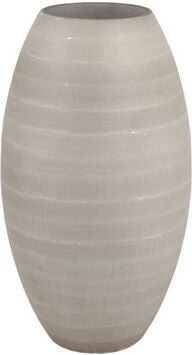
Sagebrook Home Glass Decorative Vase Modern Sleek Curved Silhouette Minimalist DesignAdd a touch of sophistication to any setting with this modern glass vase, designed to seamlessly blend form and function while elevating your space with effortless style.43,99 $*Shipping: 0,00 $Secure redirect to the provider
-
Sagebrook Home Stone Marble Bowl Sleek Sculptural Base and Modern Decorative Design"Bring timeless elegance and sculptural beauty into your home with this marble bowl, set on a bold base with a Natural Stone Finish. At 3"" high, it offers a compact yet impactful size that makes it both functional and decorative."62,15 $*Shipping: 0,00 $Secure redirect to the provider
-
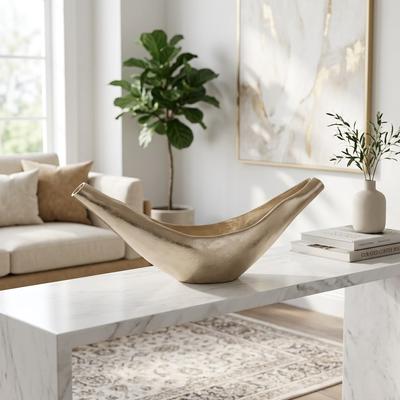
Sagebrook Home "Metal Modern Glam Bowl Sleek Curved Design Stylish Sculptural Form - 20.0"""This modern glam metal bowl brings a sculptural touch to any tabletop decoration, this metal bowl comes in gold, ivory and tan providing thoughtful decorative use making it an effortless accent for a living room, kitchen, or dining room table.119,26 $*Shipping: 0,00 $Secure redirect to the provider



-
Are the Celts Germanic?
No, the Celts are not Germanic. The Celts were a distinct group of people who originated in Central Europe and spread across much of Western Europe, including areas that are now part of modern-day France, Spain, and the British Isles. The Germanic peoples, on the other hand, originated in northern Europe and eventually spread into areas that are now part of modern-day Germany, Scandinavia, and the Netherlands. While the Celts and Germanic peoples may have had some interactions and influences on each other, they are considered to be separate and distinct cultural and linguistic groups. **
-
What is Germanic Neopaganism?
Germanic Neopaganism is a modern revival of the pre-Christian religious practices and beliefs of the Germanic peoples. It encompasses a variety of traditions and practices inspired by the ancient Germanic cultures, including Norse, Anglo-Saxon, and Continental Germanic traditions. Followers of Germanic Neopaganism often worship a pantheon of gods and goddesses, honor their ancestors, and celebrate seasonal festivals. It is a decentralized and diverse movement, with different groups and individuals interpreting and practicing the faith in their own unique ways. **
-
Were the Greeks Germanic?
No, the Greeks were not Germanic. The Greeks were an ancient civilization that originated in the Mediterranean region, while the Germanic peoples were a group of tribes that originated in northern Europe. The Greeks had their own distinct language, culture, and history, which were different from those of the Germanic peoples. Therefore, it is not accurate to classify the Greeks as Germanic. **
-
Were the Germanic people indigenous?
The Germanic people were not indigenous to the areas they eventually settled in. They were originally believed to have originated in Scandinavia and northern Germany before migrating to other parts of Europe. As they moved and settled in new territories, they interacted with and assimilated with the indigenous populations already living there. Over time, they established their own distinct cultures and societies in these regions. **


Are Germans Germanic or Celtic?
Germans are considered Germanic, not Celtic. The Germanic peoples are a group of Northern European tribes that share a common linguistic and cultural heritage. The Celts, on the other hand, were a distinct group of people who inhabited parts of Western Europe, including modern-day France, Ireland, and the British Isles. Germans are descendants of the Germanic tribes that settled in the region that is now Germany. **
What is typical Germanic clothing?
Typical Germanic clothing includes garments made from wool, linen, and leather. Men often wore tunics, trousers, and cloaks, while women wore long dresses with aprons. Both men and women would also wear belts, hats, and shoes made from leather. The clothing was often decorated with intricate patterns and embroidery, reflecting the craftsmanship and attention to detail of Germanic culture. **
Top-Angebote
Products related to Germanic:
-
StayWell Innovative Anti Fungal Laser Pen With Cutting Edge Fungal Infections Removal And Safe for Skin Technology Innovative Anti Fungal Laser Pen With Cutting Edge Fungal Infections Removal And Safe for Skin TechnologyDo you avoid going barefoot or wearing sandals because of your unsightly nails If so, our AntiFungal Laser Pen is the solution you've been looking for. Our laser pen combines the power of the infrared pulsed laser and blue light to exterminate...20,97 $*Shipping: 0,00 $Secure redirect to the provider
-
Sagebrook Home Glass Decorative Vase Modern Sleek Curved Silhouette Minimalist DesignAdd a touch of sophistication to any setting with this modern glass vase, designed to seamlessly blend form and function while elevating your space with effortless style.43,99 $*Shipping: 0,00 $Secure redirect to the provider
-
Sagebrook Home Stone Marble Bowl Sleek Sculptural Base and Modern Decorative Design"Bring timeless elegance and sculptural beauty into your home with this marble bowl, set on a bold base with a Natural Stone Finish. At 3"" high, it offers a compact yet impactful size that makes it both functional and decorative."62,15 $*Shipping: 0,00 $Secure redirect to the provider
-
What is the modern interpretation of Germanic mythology for pagans?
For modern pagans, the interpretation of Germanic mythology often focuses on connecting with the gods and goddesses of the ancient Germanic pantheon, such as Odin, Thor, Freyja, and Frigg. They may draw inspiration from the stories and symbolism of these deities to guide their spiritual practices and beliefs. Additionally, modern pagans may also incorporate elements of Germanic folklore, rituals, and traditions into their worship to honor their ancestors and the natural world. Overall, the modern interpretation of Germanic mythology for pagans emphasizes a deep reverence for nature, community, and the divine. **
-
Were the Germanic people Vikings, or were the Vikings Germanic?
The Germanic people were a group of tribes that lived in Northern Europe, including modern-day Germany, Scandinavia, and the Netherlands. The Vikings were a specific group of people within the broader Germanic culture, known for their seafaring and raiding activities. So, the Vikings were a subset of the Germanic people, and not all Germanic people were Vikings. **
-
Are the Celts Germanic?
No, the Celts are not Germanic. The Celts were a distinct group of people who originated in Central Europe and spread across much of Western Europe, including areas that are now part of modern-day France, Spain, and the British Isles. The Germanic peoples, on the other hand, originated in northern Europe and eventually spread into areas that are now part of modern-day Germany, Scandinavia, and the Netherlands. While the Celts and Germanic peoples may have had some interactions and influences on each other, they are considered to be separate and distinct cultural and linguistic groups. **
-
What is Germanic Neopaganism?
Germanic Neopaganism is a modern revival of the pre-Christian religious practices and beliefs of the Germanic peoples. It encompasses a variety of traditions and practices inspired by the ancient Germanic cultures, including Norse, Anglo-Saxon, and Continental Germanic traditions. Followers of Germanic Neopaganism often worship a pantheon of gods and goddesses, honor their ancestors, and celebrate seasonal festivals. It is a decentralized and diverse movement, with different groups and individuals interpreting and practicing the faith in their own unique ways. **
Similar search terms for Germanic
-
Sagebrook Home "Metal Modern Glam Bowl Sleek Curved Design Stylish Sculptural Form - 20.0"""This modern glam metal bowl brings a sculptural touch to any tabletop decoration, this metal bowl comes in gold, ivory and tan providing thoughtful decorative use making it an effortless accent for a living room, kitchen, or dining room table.119,26 $*Shipping: 0,00 $Secure redirect to the provider
-
Garvee Wooden Play Kitchen for Kids - Innovative Corner Design, Realistic Cooking Sounds - 33.4*351. [Innovative Design]: The Innovative Corner Play Kitchen provides a comprehensive and immersive play experience with realistic features like a microwave, oven, cordless phone, and real chalkboard.133,49 $*Shipping: 0,00 $Secure redirect to the provider
-
GDFStudio - Emma Sleek Modern 4-Drawer Black Dresser with Handle-Free Design for Versatile StorageContemporary Minimalist Style: This 4-drawer dresser features a clean, handle-free design paired with a rich black finish that adds a sophisticated and streamlined look to any room.202,99 $*Shipping: 0,00 $Secure redirect to the provider
-
Were the Greeks Germanic?
No, the Greeks were not Germanic. The Greeks were an ancient civilization that originated in the Mediterranean region, while the Germanic peoples were a group of tribes that originated in northern Europe. The Greeks had their own distinct language, culture, and history, which were different from those of the Germanic peoples. Therefore, it is not accurate to classify the Greeks as Germanic. **
-
Were the Germanic people indigenous?
The Germanic people were not indigenous to the areas they eventually settled in. They were originally believed to have originated in Scandinavia and northern Germany before migrating to other parts of Europe. As they moved and settled in new territories, they interacted with and assimilated with the indigenous populations already living there. Over time, they established their own distinct cultures and societies in these regions. **
-
Are Germans Germanic or Celtic?
Germans are considered Germanic, not Celtic. The Germanic peoples are a group of Northern European tribes that share a common linguistic and cultural heritage. The Celts, on the other hand, were a distinct group of people who inhabited parts of Western Europe, including modern-day France, Ireland, and the British Isles. Germans are descendants of the Germanic tribes that settled in the region that is now Germany. **
-
What is typical Germanic clothing?
Typical Germanic clothing includes garments made from wool, linen, and leather. Men often wore tunics, trousers, and cloaks, while women wore long dresses with aprons. Both men and women would also wear belts, hats, and shoes made from leather. The clothing was often decorated with intricate patterns and embroidery, reflecting the craftsmanship and attention to detail of Germanic culture. **
* All prices are inclusive of VAT and, if applicable, plus shipping costs. The offer information is based on the details provided by the respective shop and is updated through automated processes. Real-time updates do not occur, so deviations can occur in individual cases. ** Note: Parts of this content were created by AI.