Buy ilqj.com ?
We are moving the project
ilqj.com .
Are you interested in purchasing the domain
ilqj.com ?
domain@kv-gmbh.de · 0541-91531010
Buy ilqj.com ?
When does this plant, Hoya canossa, bloom?
Hoya canossa typically blooms during the spring and summer months. The exact timing of the blooming period can vary depending on the specific growing conditions and environment. In general, this plant produces clusters of fragrant flowers that can last for several weeks, adding a beautiful touch to indoor spaces. **
How do you think the Walk to Canossa really unfolded?
The Walk to Canossa was a significant event in medieval history where Holy Roman Emperor Henry IV sought forgiveness from Pope Gregory VII. It is believed that Henry IV traveled to Canossa in January 1077, where he waited outside the castle for three days in the snow before being granted an audience with the Pope. During this time, Henry IV reportedly humbled himself by standing barefoot and in penitential garb, demonstrating his submission to the Pope's authority. The Walk to Canossa ultimately resulted in Henry IV being absolved of excommunication, highlighting the power struggle between secular and religious authorities in medieval Europe. **

Similar search terms for Canossa
Top-Angebote
Products related to Canossa:
-
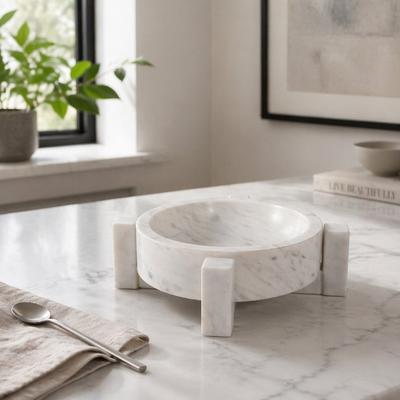
Sagebrook Home Stone Marble Bowl Sleek Sculptural Base and Modern Decorative Design"Bring timeless elegance and sculptural beauty into your home with this marble bowl, set on a bold base with a Natural Stone Finish. At 3"" high, it offers a compact yet impactful size that makes it both functional and decorative."59,19 $*Shipping: 0,00 $Secure redirect to the provider
-
Sagebrook Home "Metal Modern Glam Bowl Sleek Curved Design Stylish Sculptural Form - 20.0"""This modern glam metal bowl brings a sculptural touch to any tabletop decoration, this metal bowl comes in gold, ivory and tan providing thoughtful decorative use making it an effortless accent for a living room, kitchen, or dining room table.119,26 $*Shipping: 0,00 $Secure redirect to the provider



-
What are the main events of the Walk to Canossa?
The Walk to Canossa, also known as the "Walk of Canossa," took place in January 1077 and was a significant event in the Investiture Controversy between Pope Gregory VII and Holy Roman Emperor Henry IV. The main events of the Walk to Canossa involved Henry IV traveling to the castle of Canossa in northern Italy to seek forgiveness from Pope Gregory VII. Henry IV, who had been excommunicated by the Pope, stood barefoot in the snow for three days outside the castle, seeking absolution. Eventually, Pope Gregory VII granted Henry IV forgiveness, effectively ending the excommunication and allowing Henry IV to regain his power as emperor. This event demonstrated the power struggle between the papacy and the Holy Roman Empire during the medieval period. **
-
Who emerged as the winner from the Walk to Canossa?
The winner of the Walk to Canossa was Emperor Henry IV. Despite being excommunicated by Pope Gregory VII, Henry IV's act of penance and submission during the Walk to Canossa allowed him to be reinstated in the Church's good graces. This act of humility and submission to the Pope's authority ultimately allowed Henry IV to regain his power and influence in the Holy Roman Empire. **
-
Was it a defeat or a success for Emperor Henry IV to go to Canossa?
It can be argued that Emperor Henry IV's journey to Canossa was both a defeat and a success. On one hand, it was a defeat because he had to humble himself before Pope Gregory VII and endure the humiliation of standing in the snow for three days, begging for forgiveness. This undermined his authority and power as emperor. On the other hand, it was a success in that it allowed him to be reinstated in the good graces of the Church and ultimately helped to end the Investiture Controversy, a power struggle between the papacy and the Holy Roman Emperor. In the long run, this reconciliation helped to stabilize the relationship between the Church and the state in medieval Europe. **
-
Can you give me a summary of the poem "From Canossa to Koutow" by Helga Novak?
"From Canossa to Koutow" by Helga Novak is a poem that explores the themes of power, oppression, and resistance. The poem draws parallels between the historic event of Emperor Henry IV's penance at Canossa and the 1989 protests in Tiananmen Square, known as the Koutow movement. Novak uses vivid imagery and powerful language to convey the struggles of those who resist oppressive regimes and the resilience of the human spirit in the face of tyranny. The poem ultimately serves as a powerful commentary on the enduring nature of resistance and the quest for freedom. **

Why has the journey to Canossa been considered a symbol of a humiliating act of penance so far?
The journey to Canossa is considered a symbol of a humiliating act of penance because it involved Holy Roman Emperor Henry IV traveling to the castle of Canossa in the bitter cold to seek forgiveness from Pope Gregory VII. Henry IV had to wait barefoot in the snow for three days before the Pope finally granted him an audience, symbolizing the power and authority of the Church over the secular ruler. This act of submission and humiliation demonstrated the extent to which the Church could assert its authority over even the most powerful rulers of the time. **
Was the development of innovative car technology once hindered in East Germany?
Yes, the development of innovative car technology was hindered in East Germany due to the country's centralized and state-controlled economy. The government's focus on producing standardized vehicles for the masses limited the ability of car manufacturers to invest in research and development for innovative technology. Additionally, the lack of competition and access to international markets further restricted the advancement of car technology in East Germany. It was only after the reunification of Germany in 1990 that the automotive industry in the former East Germany began to modernize and catch up with Western standards. **
Top-Angebote
Products related to Canossa:
-
StayWell Innovative Anti Fungal Laser Pen With Cutting Edge Fungal Infections Removal And Safe for Skin Technology Innovative Anti Fungal Laser Pen With Cutting Edge Fungal Infections Removal And Safe for Skin TechnologyDo you avoid going barefoot or wearing sandals because of your unsightly nails If so, our AntiFungal Laser Pen is the solution you've been looking for. Our laser pen combines the power of the infrared pulsed laser and blue light to exterminate...20,97 $*Shipping: 0,00 $Secure redirect to the provider
-
Sagebrook Home Stone Marble Bowl Sleek Sculptural Base and Modern Decorative Design"Bring timeless elegance and sculptural beauty into your home with this marble bowl, set on a bold base with a Natural Stone Finish. At 3"" high, it offers a compact yet impactful size that makes it both functional and decorative."59,19 $*Shipping: 0,00 $Secure redirect to the provider
-
When does this plant, Hoya canossa, bloom?
Hoya canossa typically blooms during the spring and summer months. The exact timing of the blooming period can vary depending on the specific growing conditions and environment. In general, this plant produces clusters of fragrant flowers that can last for several weeks, adding a beautiful touch to indoor spaces. **
-
How do you think the Walk to Canossa really unfolded?
The Walk to Canossa was a significant event in medieval history where Holy Roman Emperor Henry IV sought forgiveness from Pope Gregory VII. It is believed that Henry IV traveled to Canossa in January 1077, where he waited outside the castle for three days in the snow before being granted an audience with the Pope. During this time, Henry IV reportedly humbled himself by standing barefoot and in penitential garb, demonstrating his submission to the Pope's authority. The Walk to Canossa ultimately resulted in Henry IV being absolved of excommunication, highlighting the power struggle between secular and religious authorities in medieval Europe. **
-
What are the main events of the Walk to Canossa?
The Walk to Canossa, also known as the "Walk of Canossa," took place in January 1077 and was a significant event in the Investiture Controversy between Pope Gregory VII and Holy Roman Emperor Henry IV. The main events of the Walk to Canossa involved Henry IV traveling to the castle of Canossa in northern Italy to seek forgiveness from Pope Gregory VII. Henry IV, who had been excommunicated by the Pope, stood barefoot in the snow for three days outside the castle, seeking absolution. Eventually, Pope Gregory VII granted Henry IV forgiveness, effectively ending the excommunication and allowing Henry IV to regain his power as emperor. This event demonstrated the power struggle between the papacy and the Holy Roman Empire during the medieval period. **
-
Who emerged as the winner from the Walk to Canossa?
The winner of the Walk to Canossa was Emperor Henry IV. Despite being excommunicated by Pope Gregory VII, Henry IV's act of penance and submission during the Walk to Canossa allowed him to be reinstated in the Church's good graces. This act of humility and submission to the Pope's authority ultimately allowed Henry IV to regain his power and influence in the Holy Roman Empire. **
Similar search terms for Canossa
-
Sagebrook Home "Metal Modern Glam Bowl Sleek Curved Design Stylish Sculptural Form - 20.0"""This modern glam metal bowl brings a sculptural touch to any tabletop decoration, this metal bowl comes in gold, ivory and tan providing thoughtful decorative use making it an effortless accent for a living room, kitchen, or dining room table.119,26 $*Shipping: 0,00 $Secure redirect to the provider
-
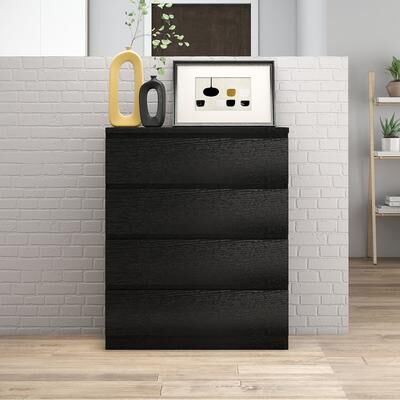
GDFStudio - Emma Sleek Modern 4-Drawer Black Dresser with Handle-Free Design for Versatile StorageContemporary Minimalist Style: This 4-drawer dresser features a clean, handle-free design paired with a rich black finish that adds a sophisticated and streamlined look to any room.202,99 $*Shipping: 0,00 $Secure redirect to the provider
-
Was it a defeat or a success for Emperor Henry IV to go to Canossa?
It can be argued that Emperor Henry IV's journey to Canossa was both a defeat and a success. On one hand, it was a defeat because he had to humble himself before Pope Gregory VII and endure the humiliation of standing in the snow for three days, begging for forgiveness. This undermined his authority and power as emperor. On the other hand, it was a success in that it allowed him to be reinstated in the good graces of the Church and ultimately helped to end the Investiture Controversy, a power struggle between the papacy and the Holy Roman Emperor. In the long run, this reconciliation helped to stabilize the relationship between the Church and the state in medieval Europe. **
-
Can you give me a summary of the poem "From Canossa to Koutow" by Helga Novak?
"From Canossa to Koutow" by Helga Novak is a poem that explores the themes of power, oppression, and resistance. The poem draws parallels between the historic event of Emperor Henry IV's penance at Canossa and the 1989 protests in Tiananmen Square, known as the Koutow movement. Novak uses vivid imagery and powerful language to convey the struggles of those who resist oppressive regimes and the resilience of the human spirit in the face of tyranny. The poem ultimately serves as a powerful commentary on the enduring nature of resistance and the quest for freedom. **
-
Why has the journey to Canossa been considered a symbol of a humiliating act of penance so far?
The journey to Canossa is considered a symbol of a humiliating act of penance because it involved Holy Roman Emperor Henry IV traveling to the castle of Canossa in the bitter cold to seek forgiveness from Pope Gregory VII. Henry IV had to wait barefoot in the snow for three days before the Pope finally granted him an audience, symbolizing the power and authority of the Church over the secular ruler. This act of submission and humiliation demonstrated the extent to which the Church could assert its authority over even the most powerful rulers of the time. **
-
Was the development of innovative car technology once hindered in East Germany?
Yes, the development of innovative car technology was hindered in East Germany due to the country's centralized and state-controlled economy. The government's focus on producing standardized vehicles for the masses limited the ability of car manufacturers to invest in research and development for innovative technology. Additionally, the lack of competition and access to international markets further restricted the advancement of car technology in East Germany. It was only after the reunification of Germany in 1990 that the automotive industry in the former East Germany began to modernize and catch up with Western standards. **
* All prices are inclusive of VAT and, if applicable, plus shipping costs. The offer information is based on the details provided by the respective shop and is updated through automated processes. Real-time updates do not occur, so deviations can occur in individual cases. ** Note: Parts of this content were created by AI.