Buy ilqj.com ?
We are moving the project
ilqj.com .
Are you interested in purchasing the domain
ilqj.com ?
domain@kv-gmbh.de · 0541-91531010
Buy ilqj.com ?
Can graphite burn?
Yes, graphite can burn. When exposed to high enough temperatures, graphite can undergo combustion and burn. This process involves the graphite reacting with oxygen to produce carbon dioxide. However, graphite has a high resistance to heat and is often used in high-temperature applications such as in the production of crucibles and electrodes. **
What are good graphite pencils?
Good graphite pencils are typically those that are made with high-quality materials, have a wide range of lead hardness options, and provide smooth and consistent performance. Some popular brands known for their quality graphite pencils include Staedtler, Faber-Castell, and Derwent. It is also important to consider personal preferences such as the feel of the pencil in hand, the darkness of the lines it produces, and whether it smudges easily. Ultimately, the best graphite pencil will depend on individual needs and preferences. **


Similar search terms for Graphite
Top-Angebote
Products related to Graphite:
-
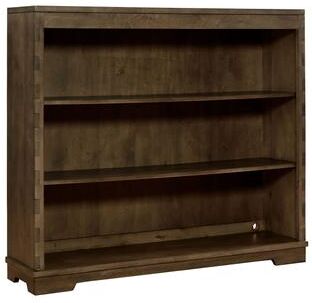
Westwood Design "Dovetail 52"" Wide Contemporary Bookcase, Graphite Gray"Invest in the Dovetail Contemporary Wood Bookcase and give your child's room a touch of elegance. The bookcase features a unique dovetail design, adding a touch of modern flair to the classic bookshelf.798,49 $*Shipping: 0,00 $Secure redirect to the provider
-
StayWell Innovative Anti Fungal Laser Pen With Cutting Edge Fungal Infections Removal And Safe for Skin Technology Innovative Anti Fungal Laser Pen With Cutting Edge Fungal Infections Removal And Safe for Skin TechnologyDo you avoid going barefoot or wearing sandals because of your unsightly nails If so, our AntiFungal Laser Pen is the solution you've been looking for. Our laser pen combines the power of the infrared pulsed laser and blue light to exterminate...20,97 $*Shipping: 0,00 $Secure redirect to the provider


-
How can one produce graphite oneself?
To produce graphite oneself, one can start by obtaining graphite powder or flakes, which can be purchased online or from specialty stores. Next, the graphite powder can be mixed with a binder, such as clay or resin, to form a paste. This paste can then be molded into the desired shape and baked at high temperatures to remove the binder and leave behind pure graphite. Finally, the graphite can be polished to achieve the desired finish. **
-
Is graphite the same as coal?
No, graphite is not the same as coal. While both graphite and coal are carbon-based materials, they have different properties and uses. Graphite is a crystalline form of carbon with a slippery texture and is used in pencils, lubricants, and as a material for electrodes. Coal, on the other hand, is a combustible sedimentary rock that is used as a source of energy and for industrial processes such as steel production and electricity generation. **
-
Does graphite have a double bond?
Graphite does not have a double bond. Graphite is composed of layers of carbon atoms arranged in a hexagonal lattice structure. Each carbon atom in graphite is bonded to three other carbon atoms through strong covalent bonds, forming a flat sheet structure. These covalent bonds are not double bonds, but rather single bonds. **
-
Does graphite follow the octet rule?
Graphite does not follow the octet rule. In graphite, each carbon atom is bonded to only three other carbon atoms, forming a hexagonal lattice structure. This results in each carbon atom having only six electrons in its outer shell instead of the usual eight required by the octet rule. **

Why is graphite black or grey?
Graphite is black or grey because of its unique atomic structure. The carbon atoms in graphite are arranged in layers, with weak bonds between the layers. This allows the layers to easily slide over each other, giving graphite its slippery feel and ability to leave marks on paper. The layers also absorb and scatter light, resulting in the black or grey color that we see. **
How can one produce diamonds from graphite?
Diamonds can be produced from graphite through a process called high-pressure, high-temperature (HPHT) treatment. In this process, graphite is subjected to extreme pressure and temperature conditions, mimicking the natural conditions under which diamonds are formed in the Earth's mantle. The carbon atoms in the graphite rearrange into a diamond crystal structure, resulting in the transformation of graphite into diamonds. This method is commonly used in industrial settings to produce synthetic diamonds for various applications. **
Top-Angebote
Products related to Graphite:
-
Taurus Design Line Dual Pulley 90kg GraphiteFor gyms where space is at a premium, the Taurus Design Line Dual Pulley offers an elegant, luxurious design built for performance. With a 90 kg weight stack and 32 adjustment heights, the Design Line Dual Pulley features a smooth 4:1 cable ratio when using a single pulley and a 2:1 cable ratio...1349,10 £*Shipping: 0,00 £Secure redirect to the provider
-
Taurus Design Line Single Pulley 90kg GraphiteThe Taurus Design Line Single Pulley is a high-quality, wall-mounted fitness equipment with a 90kg weight stack. It offers a quick and easy height adjustment mechanism with 32 height levels and two adjustable handles. The handles can connect to provide higher training resistance, making it a...989,10 £*Shipping: 0,00 £Secure redirect to the provider
-
Westwood Design "Dovetail 52"" Wide Contemporary Bookcase, Graphite Gray"Invest in the Dovetail Contemporary Wood Bookcase and give your child's room a touch of elegance. The bookcase features a unique dovetail design, adding a touch of modern flair to the classic bookshelf.798,49 $*Shipping: 0,00 $Secure redirect to the provider
-
StayWell Innovative Anti Fungal Laser Pen With Cutting Edge Fungal Infections Removal And Safe for Skin Technology Innovative Anti Fungal Laser Pen With Cutting Edge Fungal Infections Removal And Safe for Skin TechnologyDo you avoid going barefoot or wearing sandals because of your unsightly nails If so, our AntiFungal Laser Pen is the solution you've been looking for. Our laser pen combines the power of the infrared pulsed laser and blue light to exterminate...20,97 $*Shipping: 0,00 $Secure redirect to the provider
-
Can graphite burn?
Yes, graphite can burn. When exposed to high enough temperatures, graphite can undergo combustion and burn. This process involves the graphite reacting with oxygen to produce carbon dioxide. However, graphite has a high resistance to heat and is often used in high-temperature applications such as in the production of crucibles and electrodes. **
-
What are good graphite pencils?
Good graphite pencils are typically those that are made with high-quality materials, have a wide range of lead hardness options, and provide smooth and consistent performance. Some popular brands known for their quality graphite pencils include Staedtler, Faber-Castell, and Derwent. It is also important to consider personal preferences such as the feel of the pencil in hand, the darkness of the lines it produces, and whether it smudges easily. Ultimately, the best graphite pencil will depend on individual needs and preferences. **
-
How can one produce graphite oneself?
To produce graphite oneself, one can start by obtaining graphite powder or flakes, which can be purchased online or from specialty stores. Next, the graphite powder can be mixed with a binder, such as clay or resin, to form a paste. This paste can then be molded into the desired shape and baked at high temperatures to remove the binder and leave behind pure graphite. Finally, the graphite can be polished to achieve the desired finish. **
-
Is graphite the same as coal?
No, graphite is not the same as coal. While both graphite and coal are carbon-based materials, they have different properties and uses. Graphite is a crystalline form of carbon with a slippery texture and is used in pencils, lubricants, and as a material for electrodes. Coal, on the other hand, is a combustible sedimentary rock that is used as a source of energy and for industrial processes such as steel production and electricity generation. **
Similar search terms for Graphite
-
Chapman ML1 Modern Baritone Graphite 2017 Electric Guitar Original - RefurbishedThis is a Chapman ML1 Modern Baritone in Graphite finish. Made in Indonesia in 2017, this guitar features a bolt-on construction comprising a Mahogany body with Ash veneer, Maple neck and 24 fret Rosewood fingerboard. Other appointments include Chapman Locking tuners, Black hardware, and a Chapman hardtail string-through bridge. A pair of Chapman Sonorous Zerø Alnico 5 humbuckers are fitted, and these are wired to a 3-way blade switch, master volume and master tone controls, with a push/pull coil split. The Maple neck plays very well, with the 'C' profile filling the hand nicely for a substantial grip whilst remaining slim enough for fast articulate playing. The Satin finish to the rear is pleasant to the touch and assists with smooth navigation of the 28" scale. The Rosewood fingerboard adds a touch of luxury to the playing experience, and with its 13.5" radius provides a smooth, consistent and nicely flat playing surface right the way up the register. The Jumbo frets enhance string bending and vibrato techniques whilst providing a fast and articulate feel. The pair of Chapman Sonorous Zerø Alnico 5 humbuckers installed in this guitar deliver thick, full-bodied high gain distortion sounds, well suited to metal riffing. The pickups have been selected for their ability to retain plenty of clarity even with dropped tunings - perfect for this application in a baritone guitar. The humbucker in the neck is round and powerful, delivering plenty of power for melodic lines and solos. The bridge humbucker is of course brighter and hotter, saturating into a rich distortion tone that is perfect for low end chords and riffing.440,00 £*Shipping: 0,00 £Secure redirect to the provider
-
Does graphite have a double bond?
Graphite does not have a double bond. Graphite is composed of layers of carbon atoms arranged in a hexagonal lattice structure. Each carbon atom in graphite is bonded to three other carbon atoms through strong covalent bonds, forming a flat sheet structure. These covalent bonds are not double bonds, but rather single bonds. **
-
Does graphite follow the octet rule?
Graphite does not follow the octet rule. In graphite, each carbon atom is bonded to only three other carbon atoms, forming a hexagonal lattice structure. This results in each carbon atom having only six electrons in its outer shell instead of the usual eight required by the octet rule. **
-
Why is graphite black or grey?
Graphite is black or grey because of its unique atomic structure. The carbon atoms in graphite are arranged in layers, with weak bonds between the layers. This allows the layers to easily slide over each other, giving graphite its slippery feel and ability to leave marks on paper. The layers also absorb and scatter light, resulting in the black or grey color that we see. **
-
How can one produce diamonds from graphite?
Diamonds can be produced from graphite through a process called high-pressure, high-temperature (HPHT) treatment. In this process, graphite is subjected to extreme pressure and temperature conditions, mimicking the natural conditions under which diamonds are formed in the Earth's mantle. The carbon atoms in the graphite rearrange into a diamond crystal structure, resulting in the transformation of graphite into diamonds. This method is commonly used in industrial settings to produce synthetic diamonds for various applications. **
* All prices are inclusive of VAT and, if applicable, plus shipping costs. The offer information is based on the details provided by the respective shop and is updated through automated processes. Real-time updates do not occur, so deviations can occur in individual cases. ** Note: Parts of this content were created by AI.